No Script, No Problem: How Mitch Musso Rewrote the Rules of His Own Career
There's a version of Mitch Musso's story that writes itself pretty easily. Kid gets cast on a massive Disney Channel show, becomes a household name before he can legally drive, and spends the rest of his career riding that wave. It's a familiar Hollywood arc — comfortable, predictable, and honestly, kind of limiting.
But that's not the story Mitch chose to tell.
Instead, he did something that takes a lot more guts than most people give it credit for: he walked away from the safety net, figured out who he actually was as an artist, and started building something that was entirely his own. That process wasn't quick, and it wasn't always clean — but the result is a career that reflects genuine creative ownership in a way that few former child stars ever manage to pull off.
Life Inside the Machine
To understand why the independence matters, you have to appreciate what the Disney system actually looks like from the inside. For a young performer, it's an extraordinary opportunity — massive audiences, professional production value, mentorship from industry veterans. But it comes with a structure. A brand to uphold. A certain image that gets carefully managed, polished, and packaged for a very specific demographic.
For Mitch, those years weren't wasted. Playing Oliver Oken on Hannah Montana gave him real experience in front of the camera, taught him how a professional set operates, and put him in front of millions of viewers who genuinely connected with his work. That foundation matters. But foundations are meant to be built upon, not lived in forever.
The tension between who you are as a performer and who a studio needs you to be is something a lot of young entertainers never fully reckon with. Some stay in that lane their whole careers. Others try to pivot and stumble. Mitch took a slower, more deliberate path — and it's made all the difference.
Stepping Off the Lot
The transition away from Disney didn't happen overnight, and it wasn't some dramatic falling out. It was more like a gradual exhale — a conscious decision to stop waiting for someone else to hand him his next chapter and start writing it himself.
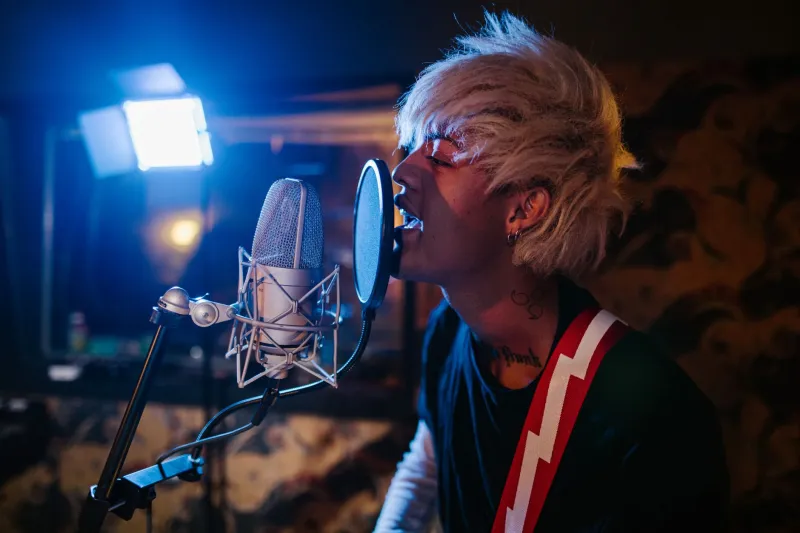
That shift showed up first in his music. Rather than chasing the polished, radio-ready pop sound that tends to come with a major label push, Mitch leaned into something more personal. His songwriting started to reflect actual lived experience — the kind of material that doesn't get greenlit by a committee but resonates hard with people who've been through something real.
There's a rawness to independent artistry that simply can't be manufactured. When you're not answering to a label's quarterly targets or a network's content guidelines, the work changes. It gets messier in the best possible way. Mitch seemed to understand that early on, and it shaped the kind of music he chose to put out into the world.
Creative Control as a Career Strategy
Here's something the entertainment industry doesn't always advertise: creative control isn't just an artistic preference — it's a long-term career strategy. Artists who own their work, make their own calls, and build their own audiences tend to have staying power that outlasts the ones who rely on institutional support.
Mitch has been quietly building that kind of infrastructure around himself for years. Choosing projects based on genuine interest rather than brand alignment. Collaborating with people he actually connects with rather than whoever a studio assigns. Taking roles and releasing music on a timeline that makes sense for his artistic development rather than someone else's release calendar.
That approach requires patience. It requires being okay with a slower burn when the culture is constantly rewarding whoever's loudest right now. But the payoff is a body of work that actually means something — to him, and to the fans who've stuck around because they can feel the authenticity in what he does.
The Acting Side of the Equation
The independence conversation isn't just about music, either. On the acting front, Mitch has shown a real willingness to pursue projects that don't fit neatly into the "former Disney star" box. That means taking on characters with more complexity, exploring genres that wouldn't have made it past a Disney Channel pitch meeting, and working with independent filmmakers who prioritize storytelling over brand safety.
This kind of range doesn't always get the headlines it deserves — partly because it tends to happen outside the big studio ecosystem where the entertainment press pays closest attention. But for fans who've been following Mitch's career closely, the evolution is unmistakable. He's not playing it safe, and that's exactly the point.
What the Fans Actually See
One of the underrated parts of Mitch's independent path is the relationship he's been able to build directly with his audience. Without a studio filtering every interaction, there's a more genuine connection available — one where fans get to see the actual person behind the work rather than a carefully curated persona.
That directness resonates. The people who are into Mitch's music now aren't just nostalgic Disney Channel fans — they're listeners who found him through the work itself and stuck around because what he's doing feels real. That's a different kind of fanbase than the one that comes with a major label push, and in a lot of ways, it's more valuable. It's built on something that lasts.
The Road Ahead
What makes Mitch Musso's story worth paying attention to right now is that it's still unfolding. He's not a cautionary tale or a nostalgia act — he's an artist in the middle of figuring out what he's truly capable of when nobody else is setting the parameters.
The entertainment landscape in 2024 actually rewards that kind of independence more than it ever has before. Direct-to-fan platforms, independent distribution, self-produced content — the tools available to artists who want to own their work have never been more accessible. Mitch is operating in an era that was practically built for what he's trying to do.
For longtime fans and newcomers alike, that's genuinely exciting. Because when an artist has full creative ownership over their output, you never quite know what they're going to do next — and that uncertainty is exactly what makes the work worth watching.