More Than Merch: How Independent Artists Are Rethinking Revenue (And What Mitch Musso's Career Reveals About the New Model)
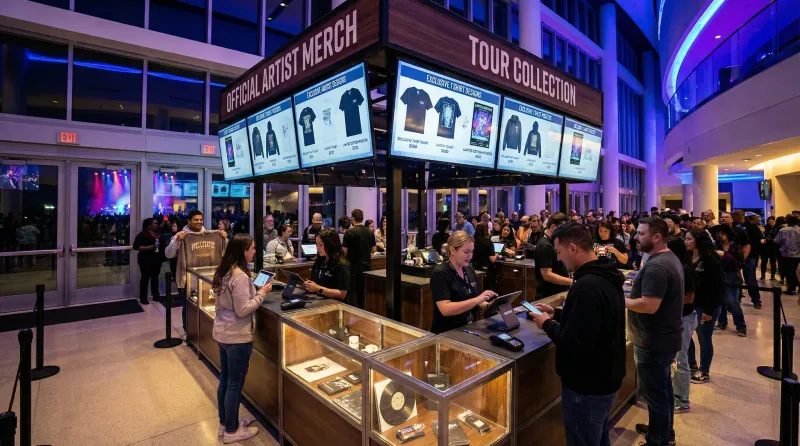
Photo: artist merchandise table fan engagement independent music business, via www.ticketfairy.com
Ask any independent artist how they make a living and you'll get a complicated answer. That's not a complaint — it's actually a sign of sophistication. The old model, where an artist signed to a label, released records, and collected royalties while the studio handled everything else, is functionally obsolete for most people working in entertainment today. What's replaced it is messier, more demanding, and in a lot of ways, more interesting.
Mitch Musso's career sits right at the intersection of the old entertainment world and the new one. He came up inside the traditional studio-network system, built a real audience through it, and then — like a lot of artists who reach a certain level of creative maturity — started figuring out how to build something that didn't depend on any single gatekeeper. What's emerged from that process is a revenue approach that's worth understanding in some detail.
The Merch Table Is Just the Beginning
Merchandise is often the first thing people think of when they talk about artist income outside of music and acting. And yes, merch matters — but the artists who treat it as a real business rather than an afterthought are the ones getting meaningful value out of it.
For independent artists, merch isn't just T-shirts and hats. It's a physical expression of brand identity. When a fan buys something, they're not just spending money — they're affiliating themselves with an artist's world. Done right, merch becomes a walking advertisement, a community signal, and a revenue stream that doesn't require a new song or a new role to activate.
The key is intentionality. Generic, low-effort merch doesn't move the needle. But when an artist's merchandise actually reflects their aesthetic — their music, their personality, their visual identity — it becomes something fans genuinely want to own. Mitch's approach to branding, which has always leaned into a genuine rather than manufactured image, translates naturally into physical products that feel like extensions of the work rather than add-ons to it.
Direct-to-Fan: Cutting Out the Middleman
One of the most significant shifts in the entertainment economy over the past decade has been the rise of direct-to-fan platforms and models. Patreon, Bandcamp, exclusive fan communities, newsletter subscriptions, private Discord servers — these tools let artists build economic relationships directly with their audience, without a label or network taking a cut and calling the shots.
For an artist like Mitch, who has built a fanbase that genuinely cares about him as a person and not just as a product, the direct-to-fan model is a natural fit. The fans who've followed his career through its various chapters — Disney, independent music, acting projects — aren't casual consumers. They're invested. And invested fans are exactly the audience that direct monetization models are designed for.
The economics are straightforward: a smaller, highly engaged audience that pays directly is often more financially valuable than a large, passive one that streams music for fractions of a cent per play. A thousand true fans who each spend fifty dollars a year on exclusive content, early access, and merchandise generate real money. A million passive listeners who never go beyond the free tier on Spotify generate almost nothing.
Brand Partnerships That Actually Make Sense
Brand deals get a bad reputation, usually because so many of them are bad. The influencer-with-a-protein-powder energy that dominates social media has made audiences deeply skeptical of sponsored content, and understandably so. But brand partnerships done thoughtfully — where there's a genuine alignment between the artist's identity and the brand's values — can work for everyone involved.
The independent artist's advantage here is that they're not locked into the approval chains that complicate brand deals for label-signed or network-contracted talent. They can move faster, choose partners more selectively, and negotiate terms that actually reflect their worth. Mitch's position as someone with both entertainment industry credibility and a loyal, specific audience makes him an attractive partner for brands that want genuine reach rather than manufactured influence.
The rule of thumb that tends to hold: if the partnership requires the artist to pretend to be someone they're not, it's not worth doing. If it's a natural extension of who they already are, it can add real value on both sides.
Live Performance as an Economic Engine
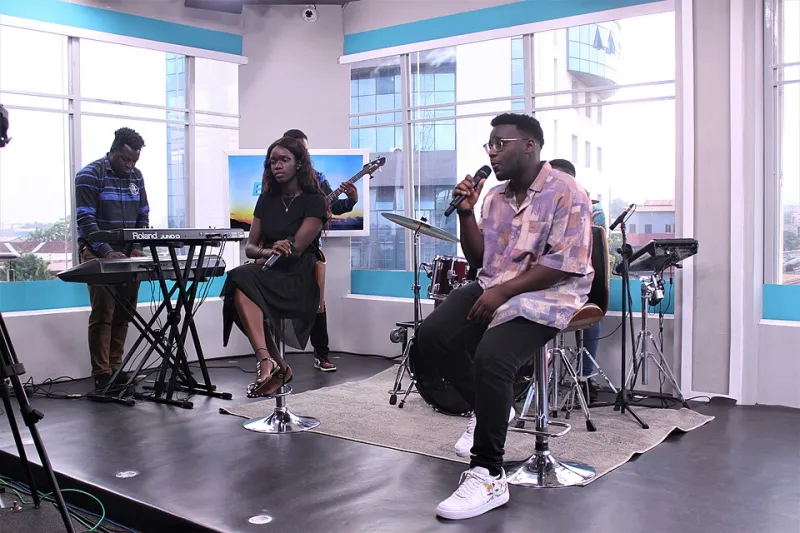
Streaming has complicated the recorded music economy in ways that are still being sorted out. But live performance has become, for many independent artists, the most reliable and lucrative part of their income picture. A sold-out show in a mid-size venue generates revenue that streaming simply can't match — and it does something else that streaming can't: it creates a shared experience that deepens the fan relationship.
For Mitch, live performance has always been more than a revenue play. The stage is where the connection between artist and audience gets most real, most immediate. But it's worth acknowledging the economic dimension too. Tickets, VIP experiences, meet-and-greets, venue merch sales — a single well-executed tour stop can generate more income than months of streaming activity.
The Bigger Picture
What makes the independent artist revenue model work — when it works — is diversification. No single stream is reliable enough on its own. Merch, direct-to-fan, brand partnerships, live performance, sync licensing, acting work — each one contributes a piece, and together they create something stable enough to build a career on.
Mitch Musso's career illustrates this not as a theory but as a lived reality. He's navigated the transition from traditional entertainment infrastructure to independent creative economy and come out on the other side with something that's actually his. In an industry that used to own artists, that's not a small thing.