Better Together, Still Yourself: How Mitch Musso Navigates the Art of the Right Collaboration
There's a version of the independent artist story that gets told a lot, and it goes something like this: fed up with the compromises of the industry, the artist retreats to a cabin somewhere, writes everything alone, records everything alone, and emerges with a pure, unfiltered vision that the world immediately recognizes as genius.
It's a good story. It's also mostly fiction.
The reality of independent creative work — in music, in acting, in pretty much any corner of the entertainment industry — is that the best stuff almost always involves other people. The trick isn't avoiding collaboration. The trick is being selective enough about it that the work stays yours, even when multiple voices are in the room.
Mitch Musso has been figuring that out for most of his professional life, and the approach he's developed is worth paying attention to.
The Difference Between Compromise and Elevation
Not all collaboration is created equal. There's a version of working with other people that waters things down — where the final product is a negotiated settlement between competing visions rather than a genuine creative statement. And there's a version that makes the work bigger and better than any one person could have made it alone.
The difference, most of the time, comes down to intent and alignment. When a collaboration starts from a place of shared artistic values — when both parties are genuinely trying to serve the same creative goal — the result tends to be additive. When a collaboration starts from a place of transaction — I'll give you this, you give me that — the seams tend to show.
For Mitch, who spent his formative years in an environment where collaboration was often imposed rather than chosen, the shift to independent work meant developing a clearer sense of what he was actually looking for in a creative partner. Not someone who would simply agree with him. Not someone who would override him. Someone who would push back in the right ways, at the right moments, in service of making the work better.
That's a more nuanced standard than most artists articulate clearly, and it shapes everything from who he writes songs with to who he chooses to appear alongside on screen.
Co-Writing Without Losing Your Voice
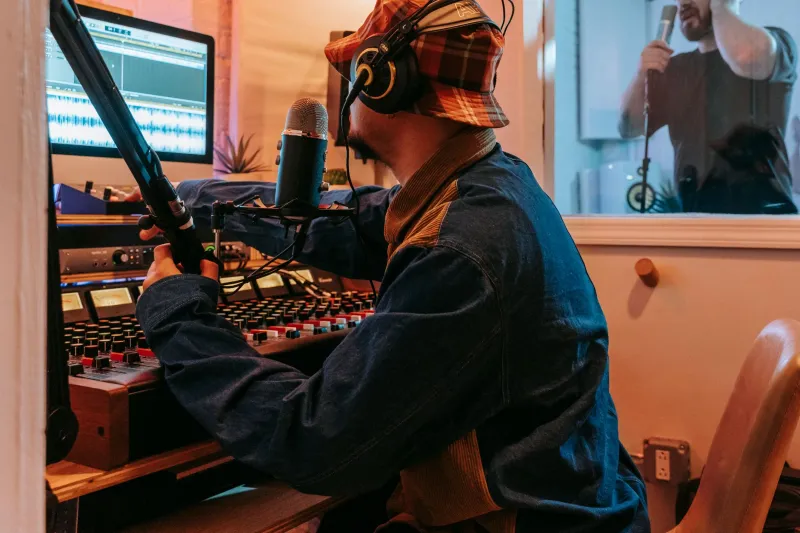
In the American music industry, co-writing is essentially the default mode of production. Even artists known for their deeply personal songwriting frequently work with collaborators — sometimes in rooms with multiple writers, sometimes in one-on-one sessions that feel more like conversations than formal work sessions.
The risk for any artist in a co-write is the gradual smoothing-out of what makes their perspective distinctive. When you're writing with someone whose job is to help create commercially viable material, there's a natural gravitational pull toward the center — toward the hook that's been proven to work, the chord progression that's safe, the lyric that no one could possibly object to.
Mitch's approach to co-writing seems to operate from a different center of gravity. The question isn't what will work broadly. The question is what's true to the specific thing this song is trying to say. A collaborator who helps you get closer to that truth — even if they're pushing back on your first instinct, even if they're suggesting something you wouldn't have thought of alone — is genuinely valuable. A collaborator who nudges you toward something generic is just noise.
The ability to tell the difference between those two things in real time, in a writing session, when there's social pressure to be agreeable and productive, is a real skill. It's one that takes experience to develop.
Features and the Strategic Question
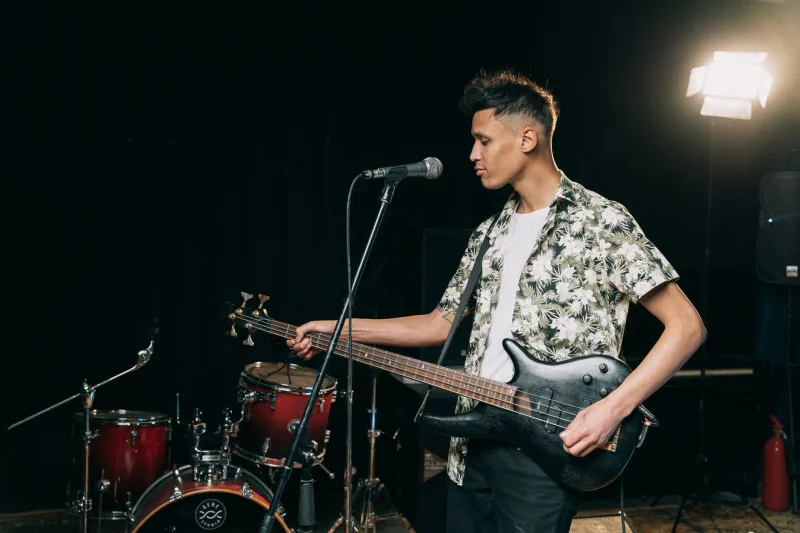
Features — having another artist appear on your track, or appearing on theirs — carry a different set of considerations than co-writes. The creative conversation happens partly in the studio and partly in the audience's mind. When two artists appear together, listeners inevitably start making associations. Those associations can work for you or against you depending on how thoughtfully the pairing was chosen.
For an independent artist building a specific identity, every feature is a statement about who you are and what world your music lives in. A feature that makes sense creatively — that feels like two artists whose work genuinely belongs in the same conversation — reinforces the listener's sense of what you're about. A feature that feels random or purely transactional can muddy that picture.
Mitch's selectivity in this area isn't about being difficult or exclusive. It's about maintaining the coherence of a creative identity that he's spent years developing. That coherence is part of what makes the work valuable — to listeners, to industry partners, and to his own sense of what he's building.
Collaboration on the Acting Side
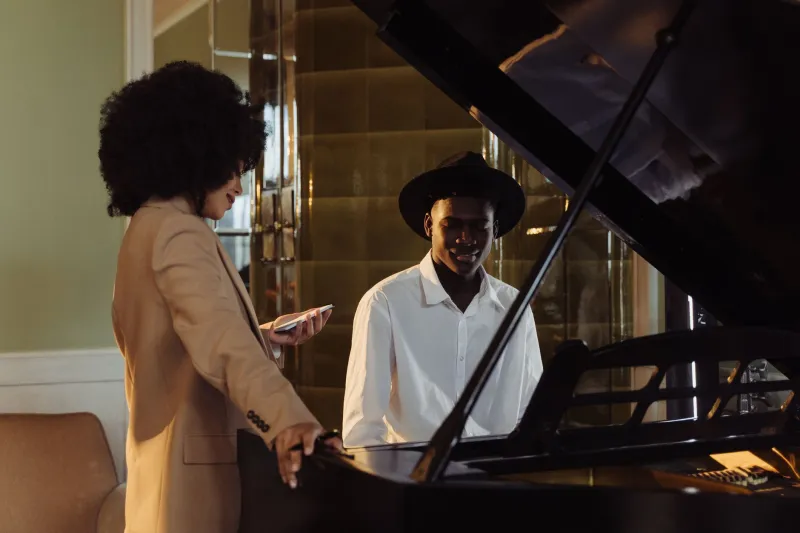
The dynamics of creative collaboration in acting are different from music but operate on similar principles. A director is a collaborator. A scene partner is a collaborator. A writer whose material you're interpreting is a collaborator, even if you never meet them.
For someone with Mitch's background — coming up as a young actor in projects where the creative hierarchy was clearly defined and his role within it was specific — developing a more active, participatory relationship with the collaborative process has been part of his growth as a performer. Asking questions. Offering ideas. Being a creative contributor rather than just a skilled executor.
That shift requires a certain kind of confidence — the belief that your perspective is worth contributing, and that the work will be better for it. It also requires the humility to recognize when someone else's vision is the right one to serve, and to serve it fully rather than half-heartedly.
Why Selectivity Is a Creative Strategy, Not a Personality Trait
It's worth being clear about something: the kind of selectivity we're describing isn't pickiness for its own sake. It's not about maintaining a certain image or protecting an ego. It's a practical creative strategy with real consequences for the quality of the work.
Artists who collaborate indiscriminately — who say yes to every feature request, every co-write invitation, every project that comes with an interesting name attached — often end up with catalogs that feel scattered. There's no through-line. No sense of a person with a consistent point of view making deliberate choices.
Artists who never collaborate — who treat every outside influence as a threat to their purity — often end up with work that's technically theirs but somehow limited. There's a ceiling on what one person can see from inside their own perspective.
The sweet spot is what Mitch has been working toward: a collaborative practice that's open enough to let the right influences in, and disciplined enough to keep the work recognizably his. That's not a compromise between independence and collaboration. It's what both of those things look like when they're working correctly.