Logged In and Locked In: The Way Mitch Musso Turns Social Media Into Real Community
Scroll through the social media feeds of most celebrities and you'll notice a pattern pretty quickly. Polished photos. Strategic announcements. Carefully worded captions that say a lot without actually revealing anything. It's not dishonest exactly — it's just the language of managed celebrity, and most people in the public eye have gotten very good at speaking it.
Then there's a different kind of online presence. One that feels less like a press release and more like a text from a friend. Where the behind-the-scenes stuff actually looks behind-the-scenes, not like a styled shoot designed to look candid. Where the engagement with fans feels like a real exchange rather than a performance of engagement.
Mitch Musso tends to operate closer to that second mode, and it's worth unpacking why that matters — both for his relationship with fans and for what it says about the changing expectations around celebrity in the social media age.
Why Authenticity Isn't Just a Buzzword Here
The word "authentic" has been so thoroughly overused in marketing contexts that it's become almost meaningless. But strip away the buzzword layer and there's still something real underneath it: the difference between content that feels like it comes from an actual human being and content that feels like it was generated by a committee.
For someone like Musso, who built his initial public profile through television — a highly produced, collaborative medium — the shift to social media represented an opportunity to speak in a more direct register. No writers' room. No network notes. No character to hide behind. Just whatever he actually wanted to share, in whatever form felt right.
That freedom, used well, creates a fundamentally different kind of connection with an audience. Fans who follow Musso across platforms aren't just consuming content about him — they're getting glimpses of how he actually thinks, what he finds funny, what he cares about creatively. That's a qualitatively different relationship than the one you have with a celebrity you only know through official channels.
The Behind-the-Scenes Advantage
One of the more effective tools in Musso's digital toolkit is the willingness to share process, not just product. In the entertainment industry, there's a long tradition of keeping the creative process hidden — you see the finished movie, the released album, the polished performance. The messy, uncertain, often frustrating work that preceded it stays behind closed doors.
Social media broke that model, at least for artists willing to embrace it. When fans get to see the studio sessions, the rehearsals, the moments of creative uncertainty alongside the moments of breakthrough, they develop a relationship with the work itself rather than just the finished artifact. They become invested in the journey, not just the destination.
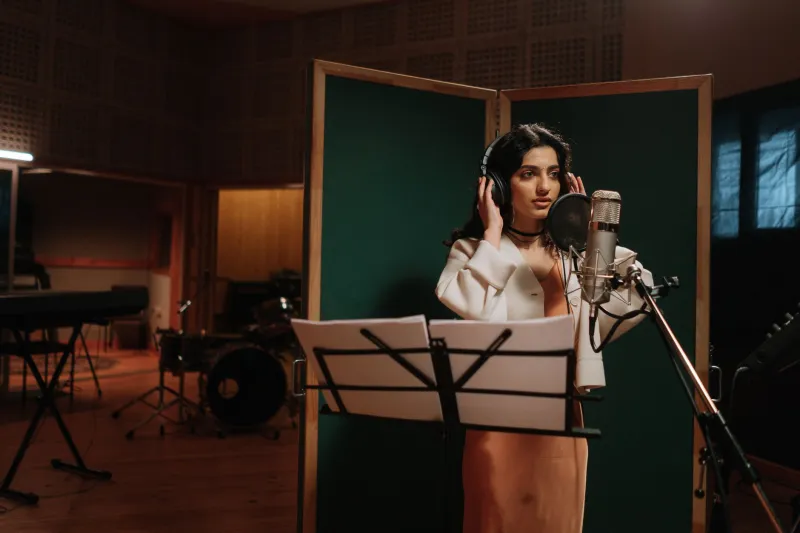
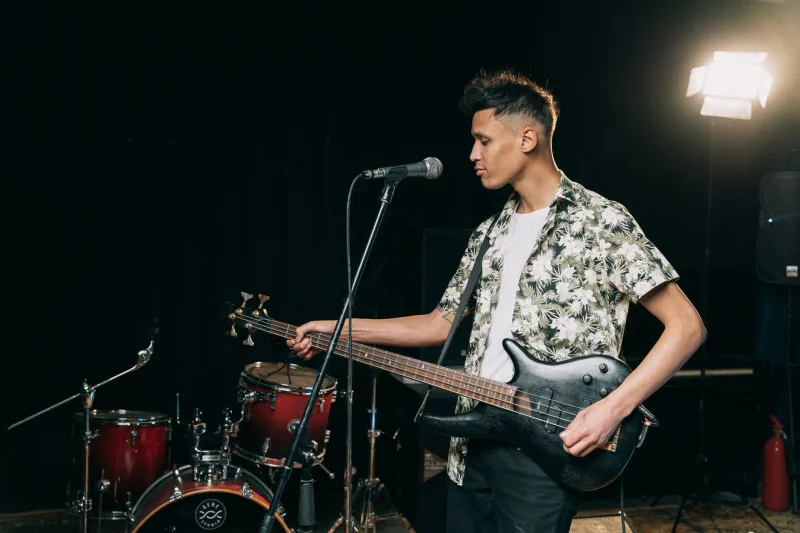
For Musso, this kind of transparency makes particular sense given his dual creative life. Sharing the process of writing and recording music gives fans insight into a side of him that's distinct from his acting work. Sharing behind-the-scenes moments from sets or performances adds context to projects that fans might otherwise only encounter through a trailer or press release. It layers the public persona in a way that feels genuinely enriching rather than manufactured.
Meeting Fans Where They Are
There's a generational shift happening in how fans expect to relate to the artists they follow. Older models of celebrity were built on distance — the star was elevated, untouchable, glimpsed only through carefully mediated channels like magazines and television appearances. That distance was part of the mystique.
Younger audiences, who grew up with social media as a native environment, have very different expectations. They're accustomed to direct communication. They expect responsiveness. They notice when a celebrity's online presence feels automated or impersonal, and they respond accordingly — usually by disengaging.
Musso came up during a transitional period — old enough to have experienced pre-social-media celebrity culture through his Disney years, young enough to understand intuitively how digital platforms actually work for his generation. That dual perspective seems to inform how he approaches his online presence: with the professionalism of someone who understands what public life requires, and the naturalness of someone who actually grew up online.
The Balance Between Access and Artistry
Here's where it gets genuinely tricky. Complete transparency, taken to its logical extreme, can undermine the mystique that makes an artist's work feel special. If fans know everything about your process, your daily life, your opinions on every topic, the work itself can start to feel less like an event and more like just another piece of content in an endless feed.
The artists who navigate this best tend to be selective about what they share rather than sharing everything indiscriminately. They give fans real access to real things — genuine creative moments, authentic personality, actual engagement with comments and messages — while still maintaining some space around the work itself. The album is still an event. The performance is still an experience. The social media presence enriches those moments rather than replacing them.
Musso seems to understand this intuitively. His digital presence doesn't feel like oversharing — it feels like thoughtful openness. There's a difference, and fans can feel it even if they can't always articulate why.
Community Over Audience
One distinction worth making is between an audience and a community. An audience is passive — it receives content. A community is active — it participates, responds, creates connections not just between members and the central figure but among members themselves.
The most engaged fanbases in entertainment today function as genuine communities. Fans talk to each other. They create content around the artist's work. They organize around shared enthusiasm. They develop their own culture and language and inside references. The artist is at the center of that ecosystem, but the community has a life that extends beyond any single piece of content or announcement.
Building that kind of community requires consistency, genuine engagement, and a willingness to treat fans as participants rather than passive consumers. It's more demanding than simply posting content on a schedule, but the payoff — in terms of loyalty, word-of-mouth, and the kind of deep connection that sustains a career over the long term — is significant.
Musso's approach to fan interaction, at its best, tends toward the community model. When fans feel like they're actually heard — that their comments get real responses, that their enthusiasm is genuinely appreciated rather than just acknowledged — they become advocates in a way that no marketing budget can replicate.
The Long Game of Digital Connection
Social media strategies in entertainment often focus on short-term metrics: follower counts, engagement rates, viral moments. Those things matter, but they can distract from a more important question: what kind of relationship are you building with your audience over time?
The artists who sustain careers across decades tend to be the ones who invested in genuine connection early, before they needed it. They built communities that stayed loyal through the inevitable ups and downs of any public career. They created relationships that were about more than any single project or moment.
That's the real playbook Musso is running — not a tactical social media strategy, but a long-term investment in genuine human connection with the people who care about his work. In an entertainment landscape that changes faster than anyone can predict, that kind of loyalty is worth more than any algorithm can calculate.