Songs as Snapshots: The Emotional Timeline Hidden Inside Mitch Musso's Discography
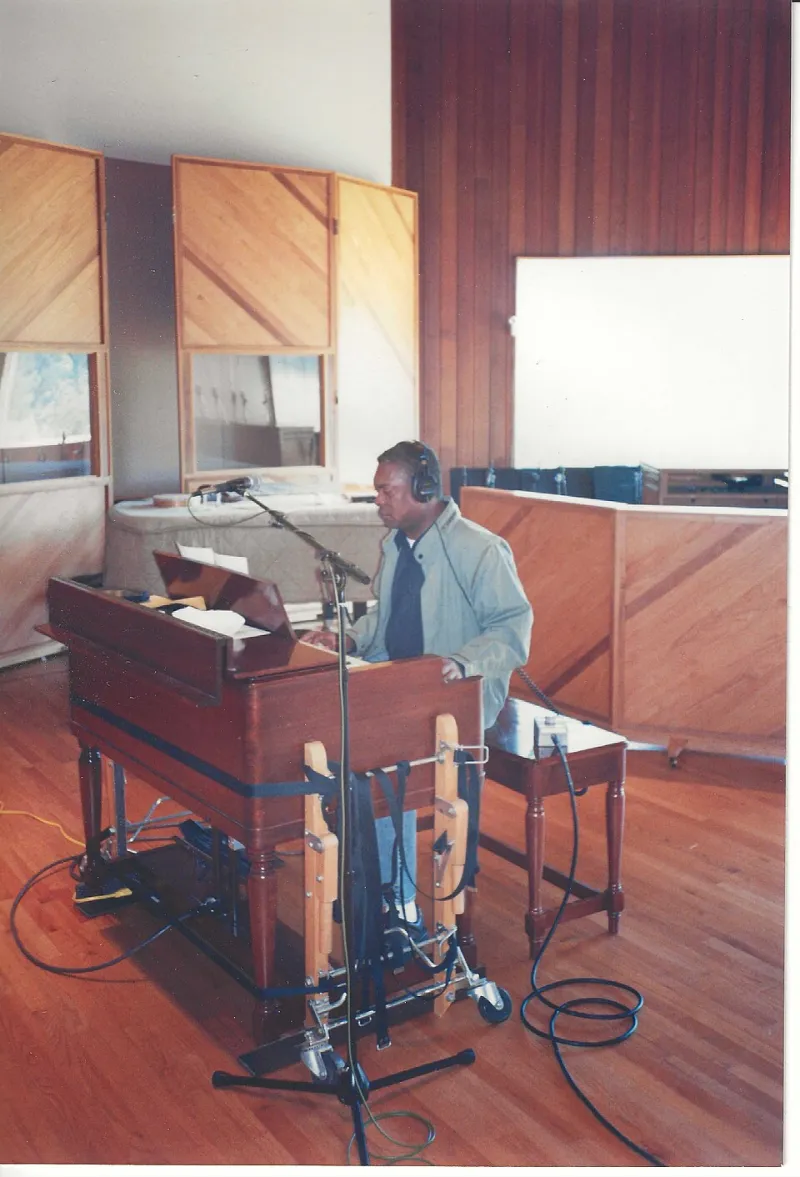
Photo: Ksks2424, CC BY-SA 4.0, via Wikimedia Commons
There's a certain kind of artist who treats the studio like a therapist's office. Not in a self-indulgent way — more like someone who genuinely can't process a major life shift until they've translated it into a chord progression or a lyric that lands just right. Mitch Musso has always been that kind of artist. His catalog isn't just a collection of songs. It's a running record of what it felt like to grow up in public, navigate industry turbulence, and come out the other side still standing.
If you listen closely — and we mean really listen — you can almost pinpoint the exact moment in his life when each track was written.
The Early Stuff: Bright Sounds, Underlying Pressure
Mitch's earliest music arrived wrapped in the kind of polished, radio-ready production you'd expect from a teenager navigating the Disney machine. The sounds were clean, the energy was high, and the hooks were built to travel. But even within those tightly constructed pop arrangements, there were flickers of something more personal trying to break through.
That tension — between the commercial expectation and the artist underneath — is actually kind of fascinating to revisit now. The early catalog sounds like someone who's enthusiastic about music but also acutely aware that he's operating within a very specific set of guardrails. You can hear the ambition bumping up against the format. It's not frustration exactly. It's more like a kid who's been handed a coloring book and keeps drawing outside the lines anyway.
Those years on Hannah Montana as Oliver Oken gave Mitch visibility that most musicians spend decades chasing. But visibility and creative freedom aren't the same thing, and the music from that era reflects someone who understood the difference even if he couldn't fully act on it yet.
The Pivot: When the Sound Started Getting Honest
The shift happened gradually, then all at once — the way most real changes do. As Mitch moved away from the structured world of network television and started carving out his own lane, the music changed texture. Production choices got a little rougher around the edges. Subject matter got more specific. The songs started feeling less like they were written for an audience and more like they were written because he had no other choice.
This is when his catalog starts functioning as genuine autobiography. The personal stakes are audible. When life handed him transitions — career uncertainty, the disorienting experience of aging out of a role that defined him to millions of fans, the grind of building credibility from scratch — the music absorbed all of it.
There's something almost documentary about this phase of his work. You don't need liner notes to understand what he was going through. The songs explain themselves.
Sonic Choices as Emotional Signals
One of the more underappreciated aspects of Mitch's musical evolution is how deliberately he's used production as an emotional signal. Sparse arrangements tend to show up during reflective periods. Bigger, more layered sounds arrive when he's clearly in a more expansive headspace. It's not accidental.
Strip a track down to acoustic guitar and a vocal and you're making a statement about vulnerability. You're saying: there's nowhere to hide here, and I'm okay with that. Mitch has returned to that stripped-down approach multiple times throughout his career, and each time it coincides with a moment of significant personal reckoning. The production choice is the message.
Conversely, when he leans into fuller arrangements with more sonic complexity, there's an energy of someone who's worked something out — who's on the other side of whatever the quiet songs were processing. The discography has a rhythm to it when you map it against the timeline of his life.
The Independent Chapter: Ownership Changes Everything
Making music without a major label infrastructure changes an artist in ways that are hard to fully describe from the outside. The creative latitude is real, but so is the accountability. Every decision is yours. Every sonic gamble is yours. There's no A&R rep to blame if something doesn't connect.
For Mitch, the move toward independence didn't just change the business model — it changed what the music was allowed to be. The songs from his independent era carry a specificity that earlier work didn't always have room for. References feel more personal. Emotional stakes feel higher. The whole thing sounds like someone who's finally writing without looking over his shoulder.
That freedom shows up in the details. A lyric that's too specific to be commercially safe. A production choice that prioritizes mood over marketability. These are the decisions you make when the music is genuinely yours.
What the Full Arc Tells You
Zoom out and look at the whole catalog as a single piece of work and a clear story emerges. This is an artist who started in a highly structured environment, absorbed everything he could from it, and then methodically built something more authentic once he had the freedom to do so.
The emotional through-line is growth — not the tidy, inspirational-poster kind, but the messy, nonlinear, sometimes-you-go-backward kind that actually resonates. Mitch Musso's discography works because it doesn't pretend the journey was clean. It documents the detours.
And that's exactly what makes it worth revisiting. Every phase of his catalog is a snapshot of someone figuring something out in real time. Which means listening to it isn't just entertainment. It's eavesdropping on a genuine evolution.