Y2K Fever Dream: The Real Reason Millennial Crowds Keep Showing Up for the 2000s
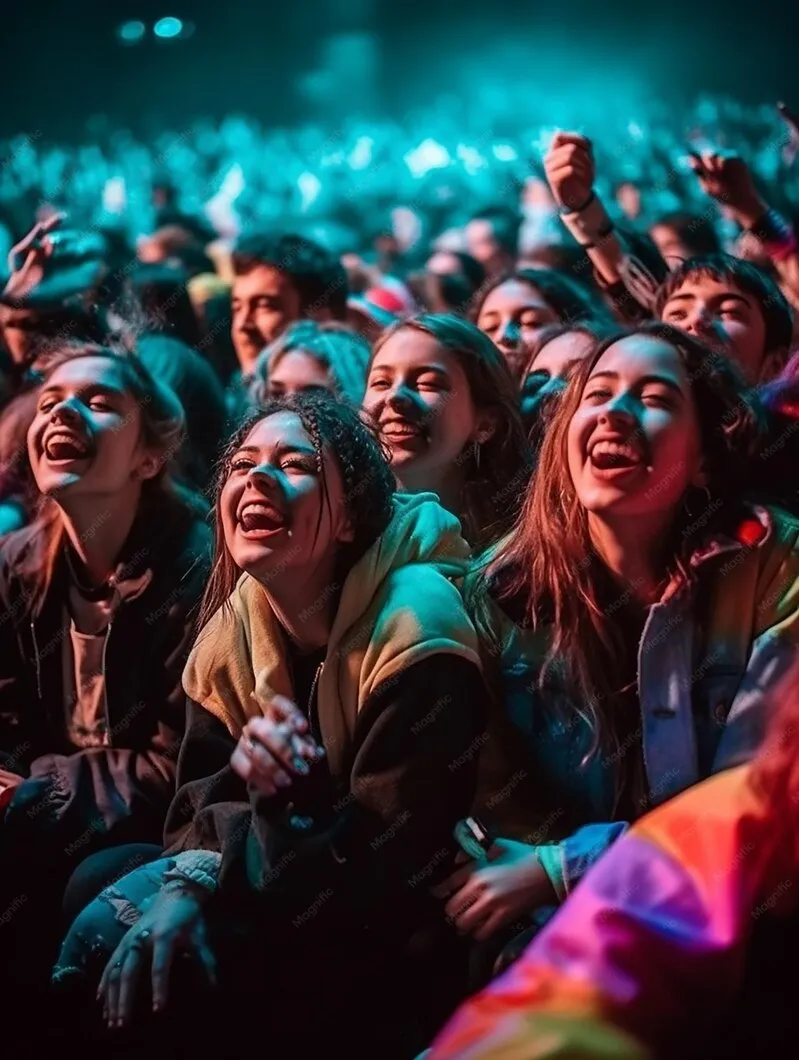
Photo: nostalgic concert crowd millennials singing together warm lights, via img.freepik.com
Let's just name it: we are deep in a full-blown 2000s revival, and nobody's pretending otherwise. Flip on the TV and the reboots are stacked shoulder to shoulder. Scroll TikTok and Gen Z is romanticizing flip phones and low-rise jeans they were too young to own the first time. Meanwhile, the reunion and nostalgia tour circuit is printing money from coast to coast.
And here's the thing — the artists from that era who are still out there playing live, Mitch Musso very much included, aren't riding a wave so much as meeting a need. The wave was always coming. The question is why it's so strong.
Nostalgia Isn't About the Past. It's About Now.
The lazy read on nostalgia is that people just love old stuff. Wrong. Nostalgia spikes during uncertainty. Americans in their thirties right now have lived through a financial collapse, a global pandemic, a couple of rounds of economic anxiety, and a media landscape that fractured into a thousand algorithmic bubbles.
The 2000s — messy, cheesy, pre-smartphone 2000s — represent something specific: the last era of shared culture. Before everyone lived in their own feed, an entire generation watched the same Disney Channel block. Heard the same songs. Quoted the same shows at the lunch table the next morning. That shared reference point doesn't exist anymore, and people miss it more than they miss the actual content.
The Soundtrack of a Childhood Has a Long Shelf Life
Here's what the music industry consistently underestimates: emotional imprinting. The songs you loved at twelve don't age. They're stored somewhere deeper than taste — closer to memory itself.
That's why millennial crowds show up for artists like Musso and sing every word like the song dropped last week. It's not a museum trip. It's muscle memory. When a crowd that grew up on Hannah Montana hears those songs live as adults — with careers, mortgages, and group chats of their own — the moment lands completely differently than it did the first time. There's a sweetness to it that only works because everyone in the room got older together.
The Artists Who Showed Up Earned the Moment
Not everyone from the 2000s gets to participate in this revival. The audiences can tell the difference, instantly, between an artist cashing a nostalgia check and one who never stopped being a working musician.
Musso's live presence in this era hits different precisely because it isn't a one-off reunion stunt. He kept writing, kept playing, kept showing up in rooms of every size. So when the cultural tide turned back toward the 2000s, he wasn't reemerging from nowhere — he was already on stage. That distinction matters to fans, and it's why these shows feel like celebrations instead of exhibits.
What Comes After the Wave
Nostalgia cycles always crest and recede. But the artists who use this moment well — who convert a nostalgia crowd into fans of the new material — are the ones who outlast the trend entirely.
The 2000s revival will cool eventually. It always does. What it leaves behind, though, is something real: a generation of viewers and listeners who learned, during a very weird decade, that the culture they loved was made by actual people — some of whom are still up there on stage, guitar in hand, ready to play it all again.
And honestly? Showing up for that might be the most 2000s thing a millennial can do.