The Loyal Ones: Understanding the Fans Who Stay When the Algorithm Moves On

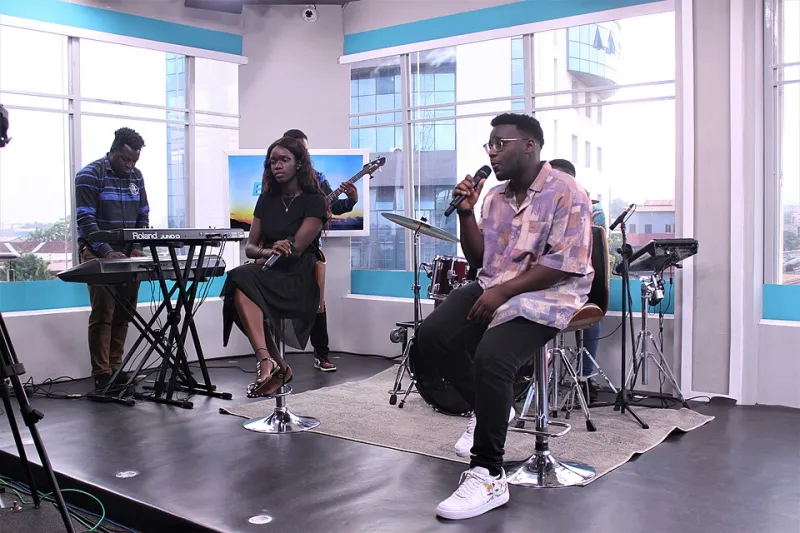
Photo: Usmanagm, CC0, via Wikimedia Commons
Here's something the music industry's obsession with metrics tends to miss: the most valuable fans aren't always the loudest ones in the moment. They're the ones who are still there six months later. Two years later. A decade later.
In 2024, that kind of sustained loyalty is rarer than it looks — and more powerful than most artists realize.
The Algorithm's Attention Problem
The modern content ecosystem is built for velocity. Platforms reward what's new, what's trending, what's generating engagement right now. An artist who drops a single today gets a window — maybe a week, maybe a few days — before the algorithm moves on to the next thing. If you're not feeding the machine constantly, you effectively disappear from discovery.
This creates a weird pressure on artists to produce at a pace that often has nothing to do with the creative process. The result is a lot of content that's optimized for the feed and not much else.
But here's what that model doesn't account for: the fans who don't need the algorithm to tell them who to care about. The ones who already know. The ones who found an artist years ago and never really left.
These listeners operate outside the trending cycle. They're not discovering Mitch Musso because he popped up in their For You page today. They're there because something about his music — his voice, his honesty, the specific emotional frequency he operates on — connected with them in a way that doesn't require constant reinforcement.
What Loyalty Actually Looks Like in Practice
Fan loyalty in 2024 is a genuinely interesting behavioral phenomenon, and it looks different than it did even ten years ago.
It's not primarily about attendance at shows or purchasing albums (though both still matter). It's about the quieter, more sustained forms of engagement: the playlist that gets rebuilt every few months with the same core tracks. The social media post that references a lyric from a deep cut. The comment thread where fans who've never met each other share stories about the first time a particular song hit them right.
This kind of engagement doesn't spike and crash the way trending moments do. It's slower and steadier — and it's remarkably resilient to the periods when an artist isn't actively releasing or promoting.
Psychologically, what's happening is pretty well understood. When a piece of art — a song, a performance, a body of work — connects with someone at a meaningful moment in their life, the emotional association tends to stick. The music becomes linked to a memory, a feeling, a version of themselves. That's not something an algorithm can replicate or replace.
The Psychology of Staying
Why do some fans stay through quiet periods while others drift? The research on parasocial relationships — the one-sided bonds people form with public figures — offers some useful framing.
The strongest parasocial connections tend to form when a person feels like they understand the artist beyond the public image. They've seen the interviews where the guard came down. They've heard the songs that felt too personal to be performance. They've followed enough of the career to feel like they know the story.
Mitch Musso's relationship with his fanbase has some specific qualities that reinforce this kind of connection. He came up in public — his teenage years played out on screen for a generation of Disney Channel kids who were growing up alongside him. That shared history creates a particular kind of bond. Fans don't just know his music; they remember watching him figure out who he was. That's a different level of investment.
When an artist has that kind of history with their audience, quiet periods don't necessarily weaken the relationship. They can actually deepen it — because the fans who stay are demonstrating something to themselves about their own loyalty. Staying through the quiet years becomes part of the identity.
How Artists Can Nurture Without Over-Saturating
There's a real tension here that artists navigating quiet periods have to manage carefully. The instinct — particularly in an algorithm-driven environment — is to stay visible at all costs. Post constantly. Engage constantly. Make sure the numbers don't drop.
But that approach can actually undermine the depth of connection that makes loyal fans loyal in the first place. Audiences are sophisticated. They can tell the difference between an artist who's posting because they have something to say and one who's posting because their manager told them to hit a certain frequency.
The alternative is more intentional: communicate less, but with more meaning. A single post that's genuinely personal — a glimpse into what's actually happening creatively, a moment of real honesty — does more for a loyal fanbase than a week of filler content.
This is something Mitch Musso has demonstrated an instinct for. The touchpoints that matter to his fans tend to be the ones that feel real — not manufactured for engagement, but shared because there was actually something worth sharing.
Community as the Connective Tissue
One of the most underappreciated dynamics in sustained fanbases is the role that fans play in sustaining each other. An artist can go quiet for months, and the community around their work keeps generating its own energy — sharing old tracks, debating favorite albums, welcoming newer listeners who are just discovering the catalog.
This is the thing that platform-native content can't manufacture: genuine community. It forms around shared taste and shared experience, and once it exists, it has a life of its own that doesn't depend entirely on what the artist is doing at any given moment.
For artists like Mitch Musso — whose fanbase has been with him through multiple phases of his career — that community is genuinely valuable. It's a built-in audience for whatever comes next. It's a base of people who will show up not because of a marketing campaign but because they've been showing up for years.
What This Means for What Comes Next
The entertainment industry tends to measure success in moments: the debut week numbers, the trending topic, the viral clip. Those things matter. But they're not the whole picture.
The artists who build lasting careers — the ones who are still relevant and still releasing music a decade or two in — tend to be the ones who understand that the relationship with their audience is a long game. That the fans who stay through the quiet periods are telling you something important about what you've built.
For Mitch Musso, that reality is both a responsibility and an asset. The loyalty is real. The question is what to do with it — and based on everything his career has demonstrated so far, the answer is probably something worth waiting for.